What is a Fideicomiso?
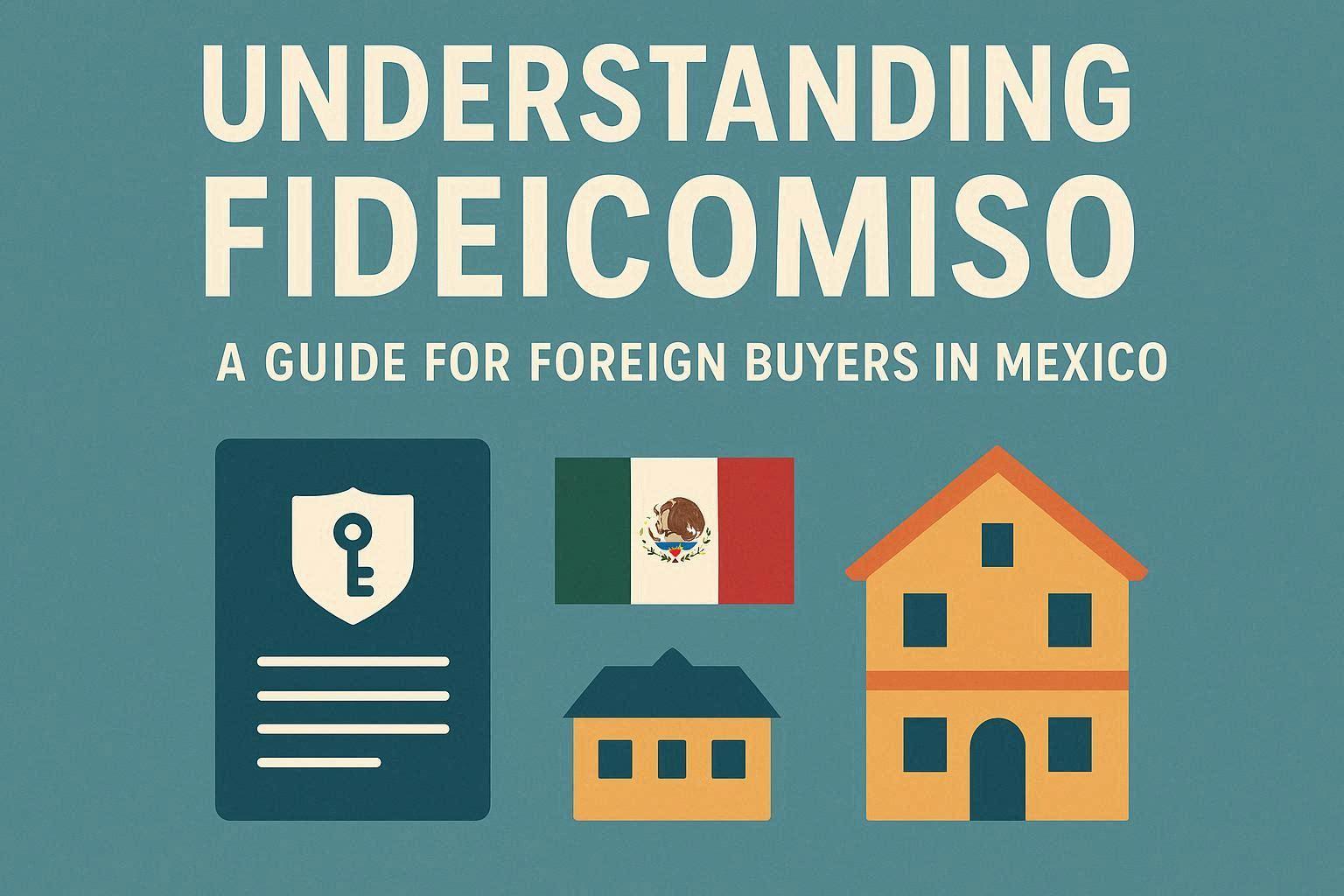
So, let’s dive into the basics. A fideicomiso is a type of bank trust used for property ownership in Mexico, especially for foreign buyers. It’s essentially a legal arrangement that allows you, as a foreigner, to own property in restricted zones in Mexico, like coastal areas or near borders.
You might be wondering, why is it necessary? Well, Mexican law restricts direct ownership of land by foreigners in these areas. Instead, a bank acts as a trustee, holding the title to the property on your behalf. This setup lets you enjoy the benefits of property ownership without breaking any laws.
In my experience, most buyers feel more secure once they understand how a fideicomiso works. It’s not just a piece of paperwork; it's a protective legal framework that ensures your rights as a property owner.
- A fideicomiso allows foreign buyers to legally purchase and own property in restricted zones.
- The bank acts as a trustee, holding the property title and ensuring compliance with Mexican laws.
- You maintain all rights to the property, including selling, leasing, or inheriting it.
- Typically, the trust lasts for 50 years and can be renewed indefinitely.
- Understanding the fideicomiso process is crucial for a smooth property transaction in Mexico.
The Legal Framework Behind Fideicomisos
Now, let’s talk about the legal side of things. The fideicomiso is regulated under the Mexican Constitution and the General Law of Titles and Operations of Credit. This legal framework outlines how trusts work and provides guidelines for banks acting as trustees.
What’s fascinating is that this trust structure has been in place for decades, and it’s evolved to give foreign buyers more security. The bank must act in your best interest; you’re essentially their client. They owe you a fiduciary duty, meaning they must manage your trust responsibly.
From my interactions with clients, I’ve noticed that many feel confused by the legal jargon. But once we break it down, they start to feel more comfortable. The key takeaway here is that the fideicomiso is designed to protect you, ensuring you can enjoy your property without legal worries.
- The fideicomiso is backed by the Mexican Constitution and credit operation laws.
- Bank trustees have a fiduciary duty to act in the best interest of the property owner.
- Understanding the legal framework helps buyers feel secure in their investments.
- Fideicomisos are designed to adapt and protect foreign property owners as laws evolve.
- Consulting with a legal expert can clarify the nuances of the fideicomiso.
The Fideicomiso Process: Step-by-Step
Okay, let’s get down to the nitty-gritty. What does the process of setting up a fideicomiso look like? It might seem daunting, but I promise it’s more straightforward than you think.
First things first, you’ll need to choose a bank. Not all banks in Mexico offer fideicomisos, so you’ll want to do your research. I usually recommend big names with a solid reputation. Once you’ve chosen a bank, you’ll sign an agreement, and they’ll establish your trust.
Next, you’ll need to gather documentation. This includes identification, proof of income, and the property’s purchase agreement. Once everything’s in order, the bank can finalize the fideicomiso, and voilà! You’re officially a property owner in Mexico.
- Step 1: Select a bank that offers fideicomisos; research is key!
- Step 2: Sign the trust agreement to establish the fideicomiso.
- Step 3: Gather required documents, including identification and proof of income.
- Step 4: Finalize the fideicomiso with the bank, marking your ownership.
- Consider seeking help from a local real estate agent to simplify the process.
Common Challenges with Fideicomisos
But, wait! It’s not all sunshine and rainbows. There are some common challenges that you might face with a fideicomiso. I’ve seen many clients struggle with understanding the fees involved.
You’ll need to pay an annual fee to the bank for managing the fideicomiso, which can range anywhere from $500 to $1,000 USD, depending on the bank and your property’s value. And don’t forget about the closing costs, which can add another layer of expenses.
Another challenge is navigating taxes associated with property ownership. It’s crucial to understand your obligations to avoid surprises down the line. Trust me, the last thing you want is to deal with tax issues after you’ve poured your heart into your new property!
- Be aware of annual fees for fideicomisos, typically ranging from $500 to $1,000 USD.
- Plan for additional closing costs that can arise during the purchase process.
- Stay informed about property taxes and obligations to avoid future issues.
- Consider hiring a lawyer or tax advisor familiar with Mexican property laws.
- Keep an eye on any changes in the law that might affect fideicomisos.
Create a free account to unlock this guide
Create a complimentary PropTrenz account to unlock premium due diligence guides.
Get Started
Create Account
Already Have Account